Welcome to Todos Santos
“Pueblo Mágico”
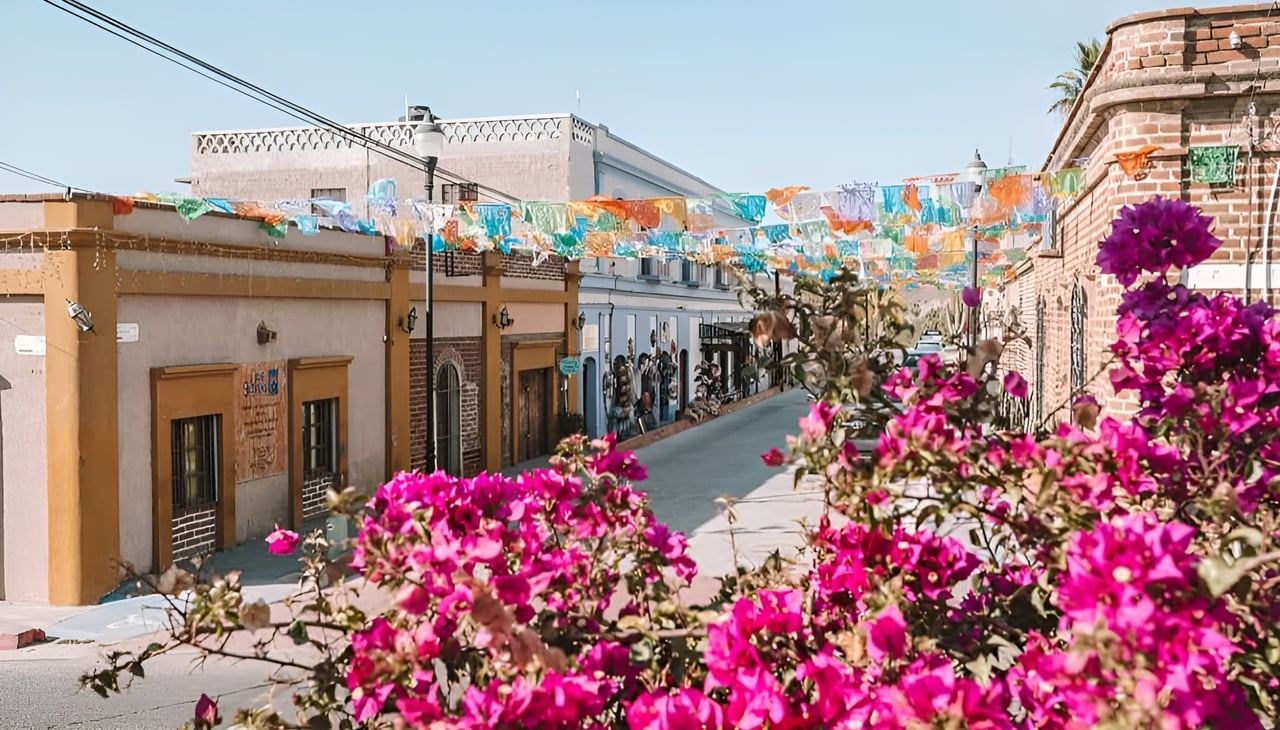
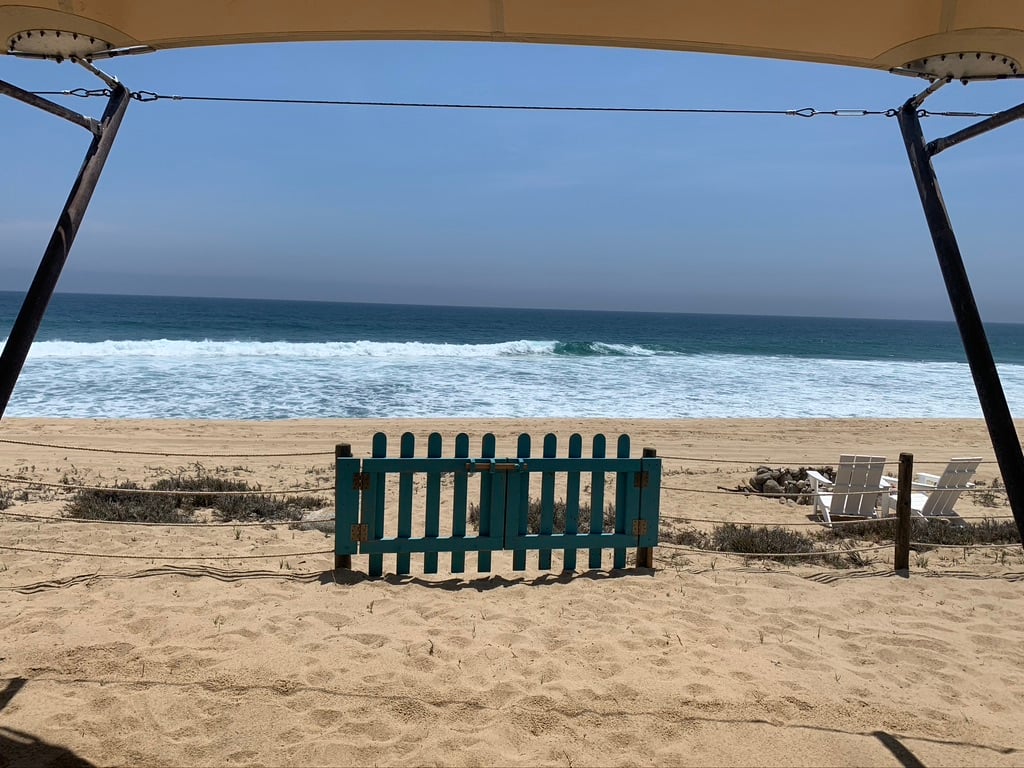
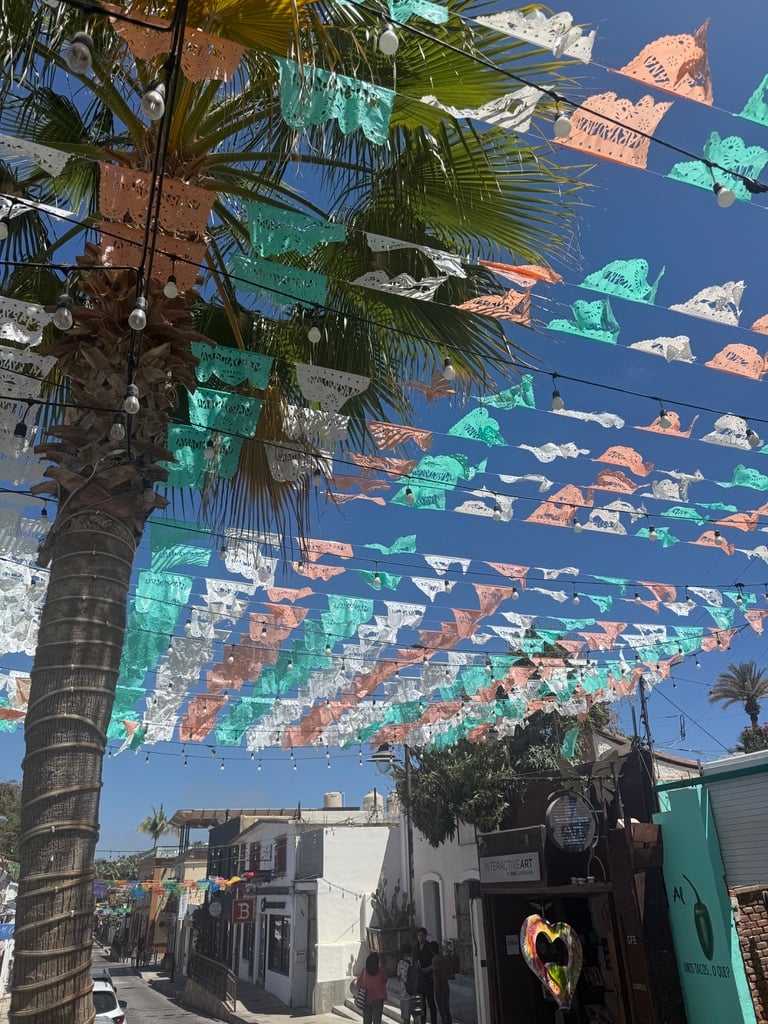
Todos Santos is a charming town on the Pacific coast of Mexico's Baja California Peninsula, nestled against the Sierra de la Laguna mountain range. Renowned for its vibrant art scene, it boasts numerous galleries. The contemporary Profesor Néstor Agúndez Martínez Cultural Center, housed in a former school, features a local history museum. To the south, beaches like San Pedrito and Los Cerritos attract surfers with their strong waves.
Short History of Todos Santos, Mexico
Todos Santos, a small coastal town located in the state of Baja California Sur, Mexico, has a rich and varied history that blends indigenous heritage, Spanish colonization, agricultural development, and modern tourism.
Indigenous Beginnings
Before the arrival of the Spanish, the area around Todos Santos was inhabited by the Guaycura, a group of indigenous people who lived along the Baja California peninsula. They practiced a hunter-gatherer lifestyle, relying on the region's natural resources.
Spanish Colonization
The history of Todos Santos as a town began in the early 18th century when Jesuit missionaries arrived in the region. In 1723, Father Jaime Bravo established the Mission Santa Rosa de Todos Santos, which was intended to convert the local indigenous population to Christianity. The mission played a significant role in the region's development, introducing European agricultural practices and crops such as sugarcane.
Agricultural Boom
In the 19th century, Todos Santos became an important agricultural center, particularly for sugarcane. The town's fertile lands, coupled with its abundant water supply from the Sierra de la Laguna mountains, made it ideal for farming. Sugar mills were established, and the town's economy flourished, leading to a period of prosperity.
However, by the mid-20th century, the sugarcane industry began to decline due to a combination of factors, including competition from other regions and changing economic conditions. This decline led to a period of stagnation for Todos Santos.
Artistic and Cultural Revival
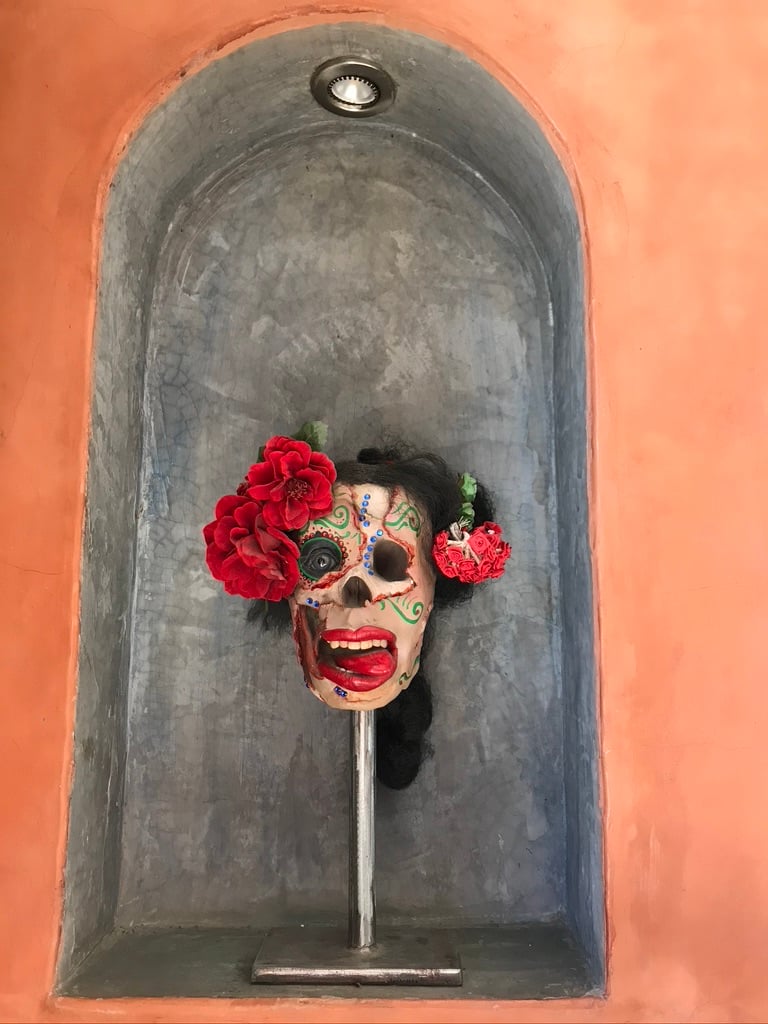
In the latter half of the 20th century, Todos Santos experienced a cultural revival. Its charming colonial architecture, picturesque location between the mountains and the Pacific Ocean, and laid-back atmosphere began to attract artists, writers, and expatriates. The town slowly transformed into a cultural and artistic hub, known for its galleries, festivals, and vibrant community of creatives.
Modern-Day Todos Santos
Today, Todos Santos is a Pueblo Mágico, a designation given by the Mexican government to towns that offer visitors a "magical" experience due to their natural beauty, cultural richness, or historical significance. The town has become a popular destination for tourists seeking a mix of culture, history, and natural beauty, while still maintaining much of its traditional charm.
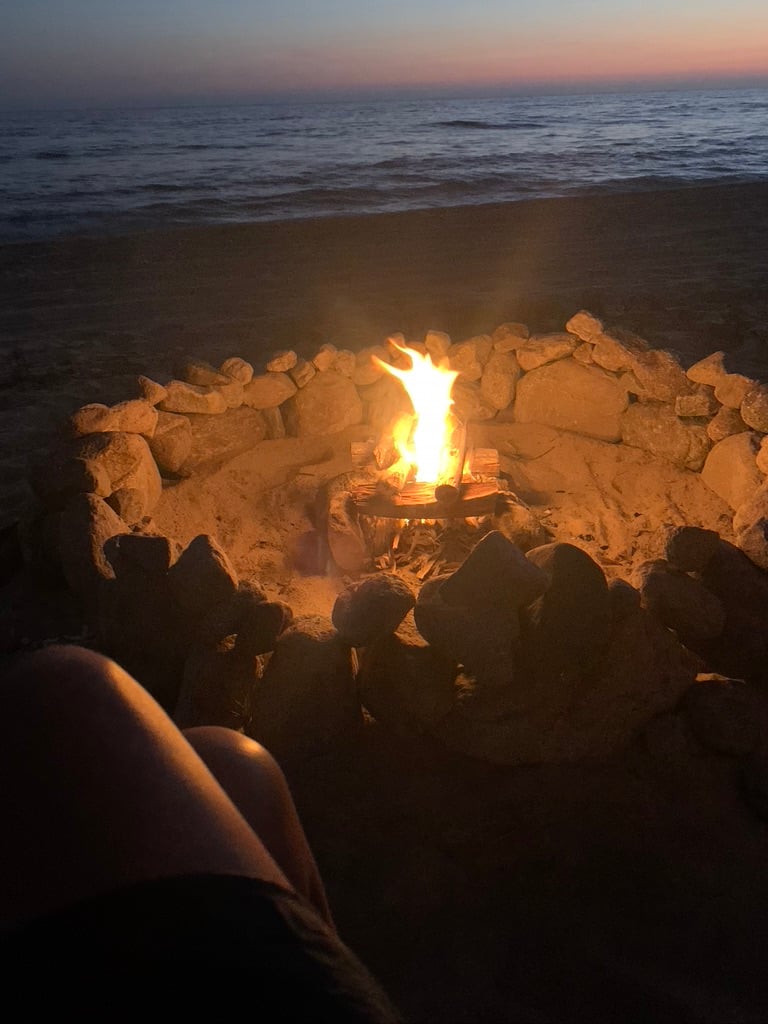
The town is also known for its proximity to beautiful beaches, such as Playa Cerritos and Playa La Pastora, which attract surfers and nature lovers. While tourism is a significant part of the local economy, Todos Santos has managed to retain its unique character, blending the old with the new in a way that respects its rich heritage.